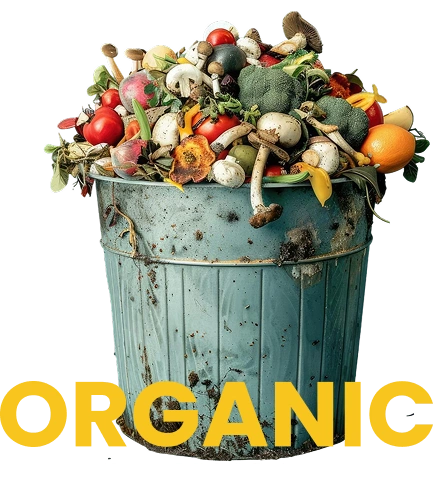
Why Choose Food Waste Compost Machines in Sarjapur & Koramangala
The amount of waste from residential and commercial premises has increased as a result of rapid urbanization. Unfortunately, organic food waste frequently ends up in landfills, where it contributes to environmentally damaging methane gas emissions. A food waste compost machine near me helps in waste conversion right at the source. Residents can lower greenhouse gas emissions, save money on disposal, and get closer to living a zero-waste lifestyle by converting regular kitchen scraps into compost.
Furthermore, appliances like compost bin kitchen models and kitchen composter systems are ideal for small apartments because they make recycling waste simple and mess-free.
How Food Waste Compost Machines Work
Food waste compost machines function by integrating thermal, biological, and mechanical processes. The device shreds waste to facilitate microbial digestion while preserving the proper moisture and temperature for effective decomposition.
Fruit peels, coffee grounds, and vegetable scraps are examples of organic waste that microorganisms break down. Waste can be turned into compost in as little as 24 hours thanks to internal sensors that control temperature and airflow in automatic composters. Intelligent features like odor filtration and energy-efficient drying cycles are integrated into advanced kitchen composter models.
Continue reading about Eco-Friendly Composting Machines for Homes in Hebbal & Bellandur Nagar with this link
Key Features to Consider When Buying a Food Waste Composter
Capacity: Choose the right size that fits your daily food waste volume.
Automation Level: Fully automated composters provide effortless operation.
Odor Control: Modern compost bin kitchen systems come with carbon filters to prevent unpleasant smells.
Energy Efficiency: Opt for models that operate on minimal electricity or solar support.
Compact Design: For apartments in Sarjapur or Koramangala, choose space-saving designs.
Material Quality: Stainless steel interiors ensure durability and easy cleaning.
Assessing Your Food Waste Volume Before Buying
Analyze your waste generation before investing in a commercial or residential composting machine. To estimate capacity requirements, track organic waste every day for a week. A kitchen composter that weighs 2 to 5 kg per day is ideal for a typical household of two to four people, but larger restaurants need industrial models.
Manual vs. Automated Compost Machines
Manual compost bins are less expensive than other options, but they need to be stirred and watched over frequently. Busy residents who desire a smooth waste-to-compost conversion process are better served by automated compactors with self-timers. With little upkeep, integrated compost bin kitchen machines produce odorless, silent results.
Benefits of Using Food Waste Compost Machines
Environmental Benefits
Composting reduces the amount of hazardous gases released into the atmosphere and reduces the burden on municipal landfills. The resulting nutrient-rich soil enhances biodiversity and promotes a more robust micro-ecosystem. Households can directly combat climate change and lessen their reliance on chemical fertilizers by implementing local food waste composting machines.
Economic Advantages
Long-term savings result from lower fertilizer and waste collection costs. In order to create value out of waste, many Bangalore communities use the soil from kitchen composters to cultivate rooftop gardens or communal green spaces.
Continue reading about Organic Waste Converter Cost in JP Nagar: A Complete Guide in 2025 with this link
Top Food Waste Compost Machine Providers in Sarjapur & Koramangala
Sree Ram Eco Systems: Compact, efficient residential composters.
MyGreenBin: Popular kitchen composter units for apartments.
Bhuyantra Waste Management Pvt. Ltd: Known for large-scale, fully automated commercial composters.
Kelvin Water Technologies: Offers advanced compost bin kitchen models with odor-free operation.
Greenius: Affordable and sustainable waste conversion solutions.
These providers offer consultation, installation, and maintenance services, ensuring end-to-end support for home and business users.
How to Install and Maintain Food Waste Compost Machines
Installation Steps:
Step 1: Choose a well-ventilated location protected from direct sunlight.
Step 2: Ensure the area has a level, stable surface for placement.
Step 3: Position the composter near an electrical outlet for easy power access.
Step 4: Plug in the device and complete the initial setup as per the manufacturer's manual.
Regular Maintenance Steps:
Step 1: Clean internal bins weekly to prevent buildup and maintain hygiene.
Step 2: Remove finished compost promptly once the cycle is complete.
Step 3: Inspect and clean filters regularly to ensure proper airflow.
Step 4: Mix waste periodically to promote uniform decomposition.
Step 5: Monitor moisture levels and adjust as needed for optimal composting.
Step 6: Follow these practices consistently to ensure odor-free, efficient operation.
Cost and ROI of Compost Machines
Large electric composters for commercial use can cost more than INR 2,000,000, while small compost bin kitchen models start at INR 25,000. These devices are financial wise investments despite their initial costs because they provide long-term benefits like free organic fertilizer and lower waste pickup costs.
Continue reading about Best Organic Compost Machines for Gated Communities in Marathahalli with this link
Government Initiatives for Composting in Bangalore
According to local regulations, the Bruhat Bengaluru Mahanagara Palike (BBMP) promotes home composting and requires waste segregation. Tax refunds or other incentives that encourage ethical recycling may be available to owners of registered kitchen composter devices. In areas like Sarjapur and Koramangala, municipalities also support community composting drives.
Tips for Improving Compost Quality
Always segregate kitchen waste before dumping into the machine.
Add sawdust or dry leaves to maintain ideal moisture.
Avoid adding meat, dairy, or oily food that may disrupt microbial activity.
Stir the mixture periodically for aeration if your kitchen composter allows manual mixing.
Allow full cycles to complete before extracting compost for best results.
The Role of Microbial Additives and Accelerators
The decomposing process is accelerated with the aid of microbial additives. By including these bio-cultures in your compost bin kitchen setup, you can improve the quality of your compost and reduce odor. In humid climates like Bangalore's, such additives accelerate the growth of aerobic bacteria, guaranteeing quicker outcomes.
Sustainability Benefits for Households and Restaurants
Setting up a kitchen composter allows households to turn their regular waste into useful fertilizer. On-site composting lowers waste transportation costs and guarantees hygienic operations for cafes and restaurants. Companies can even donate their approved compost soil to nearby urban farms or use it for landscaping.
Continue reading about How to Implement an Organic Waste Converter for Apartments in Yelahanka & JP Nagar with this link
Community Composting in Urban Neighborhoods
A growing number of apartment buildings in Sarjapur and Koramangala that use communal composting stations has been steadily increasing. Communities can reduce waste together by using central composting hubs that are powered by food waste composting machines. This strategy also supports the Bangalore green city mission and builds partnerships with waste reduction goals set by the municipality.
Environmental Impact and Long-Term Benefits
Installing food waste composting machines on a regular basis can cut landfill waste by tons each year. Compost improves plant resilience, enriches the soil, and reduces the need for irrigation. One kitchen at a time, this sustainable achievement promotes a low-carbon urban ecosystem.
Frequently Asked Questions
1. What waste can I compost?
Vegetable peels, eggshells, tea leaves, and coffee grounds are all suitable. Avoid non-biodegradable and oily items.
2. Are compost machines noisy?
Most kitchen composter models operate silently with smooth vibration control.
3. How long does the process take?
Home composters usually complete cycles in 24–48 hours, producing ready-to-use compost.
4. Can I use this compost directly?
Yes. After aeration, compost can be mixed with soil or used in gardens and potted plants.