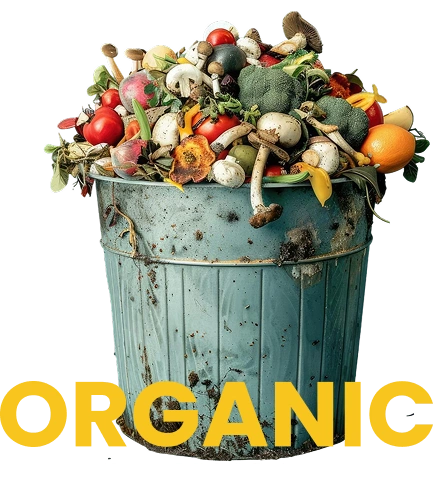
Understanding the Need for Home Composting in Hebbal & Bellandur Nagar
Waste management is a major issue in urban areas like Bellandur Nagar and Hebbal. Households produce a mixture of biodegradable and non-biodegradable waste every day, but the organic component is frequently wasted, adding to landfill volume and greenhouse gas emissions. People can reduce methane emissions, divert organic waste from landfills, and enrich soil with nutrient-rich compost by implementing home composting machines. Composting fits in perfectly with the increasingly environmentally conscious attitude that is common among urban residents in these places.
Continue reading about How to Implement an Organic Waste Converter for Apartments in Yelahanka & JP Nagar with this link
How Eco-Friendly Composting Machines Work
The natural breakdown of organic materials like vegetable peels, leftover food, coffee grounds, and garden waste is accelerated by composting machines. In order to encourage microbial activity, these units offer a closed, regulated space with ideal humidity, temperature, and airflow. Composting cycles can last anywhere from a day to several days, depending on the model. Numerous devices have automated functions like temperature control, cutting and mixing, which make the process simple and odorless—perfect for homes in cities.
Key Features to Look for in Composting Machines
When selecting a composting machine for your home in Hebbal or Bellandur Nagar, consider the following factors:
Capacity: Match the machine size to your household’s daily waste output.
Automation: Models with automatic shredding and mixing reduce manual effort.
Odor Control: Look for machines with sealed compartments and filters to minimize smell.
Energy Efficiency: Opt for machines that consume low power or are solar-compatible.
Ease of Maintenance: Choose designs that facilitate easy cleaning and component replacement.
Safety: Especially important for homes with children or pets.
Installation and Maintenance Guide for Home Composters
A large number of home composting machines are small enough to be installed on a balcony or terrace and take up very little room. To maximize performance, place the machine in a well-ventilated, shaded area. Filters are usually cleaned, finished compost is removed, and microbial additives are periodically refilled if necessary. Frequent inspection ensures the machine runs well and helps prevent common problems like too much moisture or anaerobic conditions.
Continue reading about Best Organic Compost Machines for Gated Communities in Marathahalli with this link
Environmental and Economic Benefits of Composting at Home
Environmental Impact
Residences greatly reduce Bangalore's landfill load and methane emissions, a significant greenhouse gas, by processing organic waste on-site. Without the use of chemical fertilizers, recycled compost improves biodiversity and restores soil health while promoting urban greenery. Healthy plants, cleaner air, and a more appealing neighborhood setting are all facilitated by the nutrient-rich organic matter.
Economic Savings
Composting saves homeowners money on gardening and landscaping by removing the need for chemical soil conditioners. Municipal waste disposal fees are also decreased by reducing organic waste. Although they come with an initial cost, eco-friendly composting machines usually pay for themselves over time by reducing waste management expenses and increasing garden yield.
Choosing the Best Composting Machine for Your Home
The composting machines available to residents of Hebbal and Bellandur Nagar range from fully automated devices with smart sensors to manual models. Compact electric composters that can hold five to fifteen kilograms per day are perfect for small families. Machine capacities of up to 30 kg may be chosen by larger households or those who are serious gardeners. With features adapted to the waste types and climate of the region, well-known brands are serving the Indian market.
Benefits of Using Localized Composting Machines in Hebbal & Bellandur Nagar
Local composting devices are made with the unique waste and environmental characteristics of places like Bellandur Nagar and Hebbal in mind. The tropical climate, typical kitchen waste types, and space constraints found in urban Indian homes are all taken into consideration by these machines. Utilizing locally sourced solutions ensures improved compatibility with nearby waste, quicker composting cycles, and reduced odor production. This customized approach also supports municipal sustainability initiatives and community waste reduction goals.
Integrating Composting Machines with Existing Home Gardening Practices
Organic compost is very beneficial for the gardens or balcony plants that many homes in Hebbal and Bellandur Nagar keep. By including a composting machine in your home gardening practice, you can create a closed-loop system that turns kitchen waste into fertilizer, which encourages the growth of plants with greater health. This lowers fertilizer costs while also motivating homeowners to continue practicing sustainable living. Compost can be used as mulch, mixed with potting soil, and collected at the same time as planting.
Continue reading about Organic Waste Converter Cost in JP Nagar: A Complete Guide in 2025 with this link
How Residents Can Advocate for Community Composting Initiatives
Composting machines can help individual homes, but community action has a greater environmental impact. Bellandur Nagar and Hebbal locals can organize groups to promote communal composting facilities in gated communities or apartment buildings. By reducing expenses and increasing handling capacity, collective investment provides communal compost that can be used in shared gardens or distributed to nearby farmers. Composting is also more widely accepted as an essential urban waste management technique when local authorities are requested for funding or awareness campaigns.
Frequently Asked Questions About Home Composting Machines
Why is composting important in an urban setting?
Urban composting contributes to greener spaces, which are essential for the quality of city life, and reduces pollution and landfill waste.
Can all types of organic waste be composted?
The majority of garden waste and food scraps work well; stay away from meats, dairy products, and fatty foods to keep pests and odors at control.
How long does composting take using these machines?
Although composting times vary, they typically last anywhere from a few days to 24 hours for highly automated machines.
Are there any government incentives for using composting machines?
Some local initiatives promote waste segregation and composting with subsidies or awareness support in Bangalore.