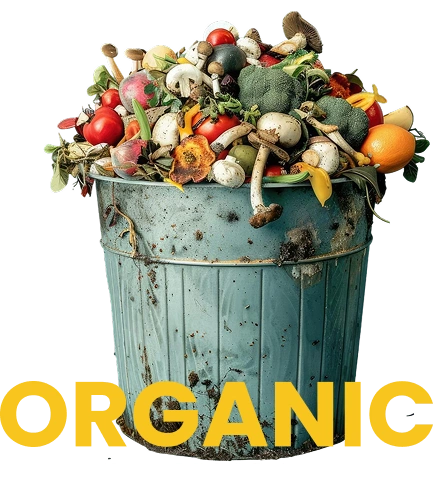
Why Composting is Essential for Gated Communities
Bulk waste generators, or those who produce more than 100 kilograms of garbage per day, are required by the Bruhat Bengaluru Mahanagara Palike (BBMP) to process waste on their property. Fines of up to ₹5,000 per household may be imposed for residential apartments with more than 50 units, which are categorized as domestic bulk generators. Composting is both a legal requirement and an environmental necessity for Marathahalli's heavily populated gated communities, as it lowers methane emissions and landfill fires.
Key Benefits of Organic Compost Machines
Environmental Impact
Organic composting machines drastically reduce carbon footprints by turning food scraps, garden waste, and biodegradable materials into nutrient-rich compost. Each composting hub can significantly reduce pollution and greenhouse gas emissions by diverting about 1-2 tonnes of waste per month from landfills. In and around gated communities, this significantly improves the quality of the air and soil, resulting in healthier living conditions. In line with Bangalore's goal of sustainable urban living, the extensive installation of organic composting machines in apartment buildings over time helps to lessen the city's solid waste problems overall.
By converting organic waste into fertilizers, which can be used to improve soil in community gardens and green areas, these composting machines contribute to the completion of the natural nutrient cycle. By increasing plant growth without the use of dangerous chemicals, this locally made organic fertilizer promotes biodiversity and cleaner, greener communities. Further supporting sustainability objectives is the decrease in waste transportation, which also lowers fuel consumption and emissions from garbage trucks.
Economic Advantages
Gated communities can save between ₹25,000 and ₹75,000 a year on waste disposal by installing composting systems. Because bulk waste generators who manage their own waste are excluded from the BBMP garbage tax, communities save a lot of money. Waste can be turned into revenue by using the compost that is produced in community gardens or selling it to nurseries. The quality of life for locals is improved by these savings and possible profits, which also assist communities in making investments in other sustainability projects or enhancing amenities.
Health and Compliance
In order to keep pests out, modern composting machines have enclosed systems, carbon filters, and odor control mechanisms. They are therefore perfect for densely populated areas like Marathahalli because they guarantee hygienic waste processing without offensive odors.
Continue reading about How Organic Waste Converters Can Reduce Your Apartment’s Monthly Waste Bill with this link
How to Choose the Right Compost Machine
Assess Waste Generation Capacity
Small communities generating 50-100 kg per day can opt for compact units priced between ₹1.5 lakh to ₹5 lakh, while larger complexes producing 500 kg or more daily require industrial-grade machines costing ₹5 lakh to ₹50 lakh.
Consider Space and Automation
For apartments with limited space, compact designs ideal for terraces or open areas are preferred. With sensors, shredders, and mixing systems, fully automatic organic Composting machines Machines handle everything from loading to compost output with little assistance from humans.
Processing Time
Modern composting machines vary in processing speed. Some fully automatic bio-mechanical composters convert organic waste into compost within 24 hours, while traditional community composters may require 3-4 days to several weeks.
Top Organic Compost Machine Brands in Bangalore
Green Planet Solutions provides completely automated composting machines that are perfect for communities, with long-lasting, environmentally friendly designs that include odor control and energy efficiency.
Solwearth produces cutting-edge organic waste converters that, in just one day, use bacterial decomposition to convert food waste into soil supplements.
Depending on the waste output requirements, Kelvin Water Technologies offers a variety of fully automatic composters with small designs that are perfect for apartment buildings.
Daily Dump's Gaia Community Composter is an aerobic 'hot pile' decentralized bulk waste composter with ergonomic design, internal breathing towers that regulate airflow, and no foul odor.
KWIK Composter serves residential communities using sustainable microorganism-based technology, producing nitrogen-rich compost while reducing volume by up to 80%.
Step-by-Step Guide to Managing Community Composting
Step 1: Conduct Waste Audit - Assess total daily organic waste generation and estimate capacity requirements.
Step 2: Form Waste Management Committee - Establish a dedicated team comprising residents, management, and housekeeping staff.
Step 3: Select Appropriate Machine - Choose based on capacity, space, budget, automation level, and processing time.
Step 4: Install and Train - Professional installation with hands-on training for housekeeping staff ensures optimal performance.
Step 5: Implement Waste Segregation - Educate residents on proper segregation using color-coded bins—green for wet waste, blue for dry waste.
Step 6: Monitor and Maintain - Regular monitoring of temperature, moisture levels, and machine functionality ensures success.
Step 7: Utilize Compost - Use nutrient-rich compost for community gardens and landscaping or sell excess to nurseries.
Continue reading about Organic Waste Converter Cost in JP Nagar: A Complete Guide in 2025 with this link
Cost and Maintenance
Composting units for small homes cost between ₹15,000 and ₹40,000, while those for communities cost between ₹1.5 lakh and ₹10 lakh. In larger gated communities, commercial-grade units cost between ₹5 lakh and ₹50 lakh. Operating expenses include sporadic microbial cultures (₹100–200 per application) and very little electricity consumption.
Since BBMP exempts self-managing bulk waste generators from garbage tax, communities save a lot of money on municipal waste disposal fees. Through lower fees and compost sales, the investment usually pays for itself in 2-3 years.
Government and BBMP Support
Through the Solid Waste Management Rules 2016, which mandate that bulk waste generators separate waste at the source and compost biodegradable waste, the BBMP actively promotes decentralized waste management. On-site composting communities are exempt from the BBMP garbage tax. BBMP officials do, however, conduct property inspections to ensure compliance, and non-compliance carries penalties.
Continue reading about BBMP Waste Management Rules 2025: How an OWC Helps You Stay Compliant with this link
Sustainable Living: How Composting Transforms Communities
Composting in communities promotes environmental awareness and social cohesiveness. Residents take pride in and take ownership of sustainability initiatives. Children can learn about ecology and environmental stewardship through composting programs, and community gardens and landscaping can benefit from the nutrient-rich compost.
Around 200 apartment buildings and complexes in Bangalore and Kerala have effectively used creative composting techniques to dispose of their waste in a scientific manner. Through extensive composting initiatives, Ferns Paradise, a gated community close to Marathahalli, led the way in solid waste management.
Will you join your neighbors in creating a greener, waste-free city?
Organic composting machines are a sustainable, financially feasible, and legally acceptable way to handle waste in gated communities in Marathahalli. Purchasing high-quality composting equipment is crucial given the strict BBMP regulations for bulk waste generators. Communities can turn waste into wealth, support Bangalore's environmental sustainability goals, and save money over time by reducing disposal fees and obtaining tax exemptions by selecting the appropriate machine, putting proper waste segregation into practice, and involving locals.
Continue reading about Apartment Waste Management System in Bangalore: What You Need to Know with this link