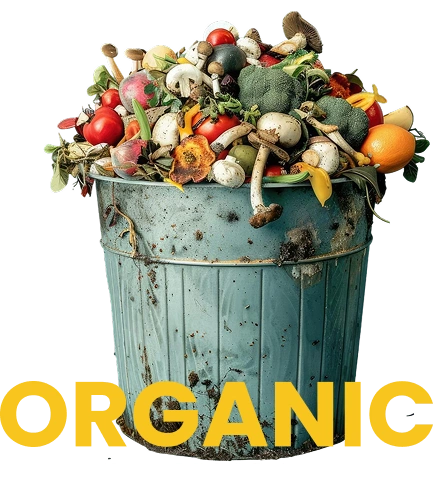
Why Apartments in Bangalore Need Organic Waste Converter Machines
Bangalore produces about 5,500 tons of solid waste every day, of which almost half is organic waste. Apartments create major obstacles to conventional waste management because they are concentrated on sources of organic waste. By processing food waste, vegetable scraps, and kitchen residues at the source—right in your apartment complex—organic waste converter machines solve this issue.
Key Points on Environmental Impact:
- Reduces methane emissions from landfills by preventing organic decomposition in dumps
- Cuts apartment complex carbon footprint by 40-50% compared to traditional waste disposal
- BBMP mandates on-site waste segregation and processing for bulk waste generators
- Complies with waste management regulations for residential complexes
- Supports Bangalore's sustainability goals and green city initiatives
Understanding How Organic Waste Converter Machines Work
Modern organic waste converters break down kitchen waste quickly by using advanced biological processes. The most widely used technology breaks down organic matter in 24 to 48 hours using bacterial cultures and microorganisms. Some devices use the bioconversion technology of Black Soldier Fly Larvae (BSFL), which produces protein-rich larvae for animal feed while processing waste even more quickly.
The procedure is simple: locals separate their organic waste, put it into the machine, and the system takes care of the decomposition on its own. The machine creates the perfect environment for microorganisms to grow rapidly by maintaining the right temperature and moisture levels. After processing, nutrient-rich compost or frass is produced, which is odorless and suitable for use in landscaping and gardens. Compared to conventional composting techniques that take months to decompose, organic waste converter machines are significantly faster and more efficient.
Continue reading about 7 Powerful BSFL Organic Waste Converter Solutions Transforming Bangalore in 2025 with this link
Top Benefits of Installing a Waste Converter in Your Apartment Complex
Primary Benefits Overview:
- Eliminates foul odors associated with traditional waste bins and open garbage areas
- Reduces waste volume by 70-90%, dramatically cutting transportation and landfill costs
- Produces nutrient-rich compost usable for apartment landscaping and gardens
- Creates potential revenue streams through compost sales to local nurseries
- Enhances apartment reputation among environmentally conscious residents and improves property values
- Reduces pest infestations commonly linked to waste bins
- Improves overall hygiene and cleanliness standards in the complex
Additionally, apartments with waste converters show their dedication to the environment, which improves the relationship with residents who care about the environment and may raise property values. By putting these systems in place, the complex's general hygiene is enhanced, and pest infestations that are frequently linked to open trash cans are decreased.
Types of Organic Waste Converter Machines for Bangalore Apartments
Apartments in Bangalore can choose from a variety of organic waste converter machines. Completely automated waste converters are perfect for big complexes with high daily waste volumes because they require only minimal human involvement. For medium-sized buildings, semi-automatic composting machines provide an affordable and practical solution.
The most recent development is BSFL-based bio-conversion systems, which use Black Soldier Fly larvae to quickly process waste and produce valuable larvae for poultry feed. While anaerobic digesters function without oxygen and occasionally produce biogas as an additional output, aerobic decomposition machines use forced aeration to speed up the composting process. Depending on the particular requirements of your apartment complex, the available space, and financial constraints, each type offers unique benefits.
How to Choose the Right Waste Converter Machine for Your Apartment
Selection Criteria Checklist:
- Calculate daily organic waste volume (most machines rated 50-500 kg capacity)
- Assess available installation space—compact or industrial-scale options
- Evaluate power consumption requirements and electrical infrastructure
- Check BBMP approval status and compliance certifications
- Review maintenance requirements and after-sales support services
- Compare initial investment costs with long-term operational savings
- Verify supplier reputation and customer testimonials
- Ensure compatibility with apartment's waste segregation infrastructure
A medium to large-capacity machine would be needed for a building with 200 units that produce 150–200 kg of waste per day. Smaller machines can fit in utility rooms, but larger models require specific outdoor spaces, so first evaluate the available space. A higher power supply is required for certain machines, while others can function with standard 5–10 amp connections. Lastly, confirm supplier credibility and BBMP approval.
Continue reading about 6 Insider Secrets to BSFL Waste Composting Success in Bangalore Households with this link
Cost Comparison: Waste Converter Machines vs. Traditional Waste Management
Depending on technology and capacity, the initial investment in organic waste converter machines can range from ₹1,50,000 to ₹5,00,000. Long-term analysis shows significant savings, despite the fact that this seems significant. A 200-unit apartment complex's monthly traditional waste management expenses range from ₹30,000 to ₹50,000. Despite the initial outlay, a waste converter machine eliminates extra landfill processing fees and cuts waste transportation expenses by 40–50%.
Cost-Benefit Analysis:
- Initial investment: ₹1,50,000-₹5,00,000 (varies by capacity)
- Monthly savings: ₹12,000-₹25,000 (40-50% reduction in waste management costs)
- Break-even period: 18-24 months for most complexes
- 5-year savings: ₹7,00,000-₹15,00,000 in operational costs
- Additional revenue: ₹5,000-₹15,000 monthly from compost sales
- ROI: 150-200% within 3 years of implementation
The majority of complexes recover their investment in 18 to 24 months through compost sales and operational savings. Apartments save a lot of money and make a significant contribution to environmental sustainability over a five-year period.
Installation and Maintenance Guide for Apartment Waste Converters
Optimal machine performance is ensured through professional installation by approved suppliers. The majority of installations take one to two days and call for specific ventilation and electrical connections. For machine efficiency, residents must be trained in waste segregation, which involves separation of non-organic items, plastic, and dry waste.
Maintenance Requirements Summary:
- Weekly: Check moisture levels and inspect processing status
- Monthly: Clean internal components and monitor bacterial culture health
- Quarterly: Professional servicing and technical checks by suppliers
- Annually: Replace or refresh bacterial cultures for biological systems
- Regularly: Harvest BSFL larvae to prevent overcrowding (for BSFL machines)
- Always: Ensure proper waste segregation by residents
Weekly moisture level checks, monthly internal component cleanings, and the periodic replacement of bacterial cultures for biological systems are all examples of routine maintenance. The majority of suppliers offer thorough annual maintenance contracts (AMC), guaranteeing that the machine runs as efficiently as possible for the duration of its life.
Real Success Stories: Bangalore Apartments Using Waste Converters
Organic waste converter machines have been successfully installed in a number of Bangalore apartment complexes. Several assert that within the first year, the amount of waste dumped in landfills has decreased by 40–50%. Some communities sell compost to landscapers and nurseries, bringing in ₹5,000–15,000 a month. Locals frequently mention increased environmental satisfaction, less pest trouble, and better cleanliness.
Common Misconceptions About Organic Waste Converter Machines
Although many people think that these machines get rid of all waste, they actually produce compost while reducing volume by 70–90%. Even though well-maintained machines have no odor at all, some people are concerned about odor problems. Some people believe that machines are difficult to use, but the majority are completely automated and need little human involvement. It's also a myth that compost made by machines is of lower quality than compost made by hand; this is because machine-produced compost frequently has better processing conditions.
Continue reading about 15 Reasons Black Soldier Fly Larvae are Bangalore's Future in Organic Waste Conversion with this link
FAQs About Apartment Waste Converter Machines
Q1: What waste can be processed?
A1: Vegetable scraps, fruit peels, cooked food, grains, tea leaves, and plant matter can be processed safely.
Q2: How often does the machine need maintenance?
A2: Regular checks weekly, with professional servicing quarterly prevent operational issues.
Q3: Where can I buy waste converters in Bangalore?
A3: BBMP-approved suppliers include Solwearth, BK Enviro Solutions, and Excel Industries.
Q4: Is initial waste segregation necessary?
A4: Yes, segregating organic waste from plastics and non-biodegradable materials ensures optimal machine performance.
Taking Action: Steps to Implement Waste Converters in Your Complex
Create a sustainability committee within your apartment complex as a first step. Find reputable vendors and set up demos. Educate locals on the advantages of environmental preservation and waste segregation. For installation, obtain BBMP approval. Using appropriate training, carry out a phased rollout. Observe outcomes and modify waste segregation procedures in response to comments.
Converters for organic waste are a symbol of Bangalore's sustainable future. You're not only effectively managing waste when you understand these technologies and integrate them into your apartment complex; you're also helping to create a cleaner, healthier city for coming generations. This is the moment to take action.