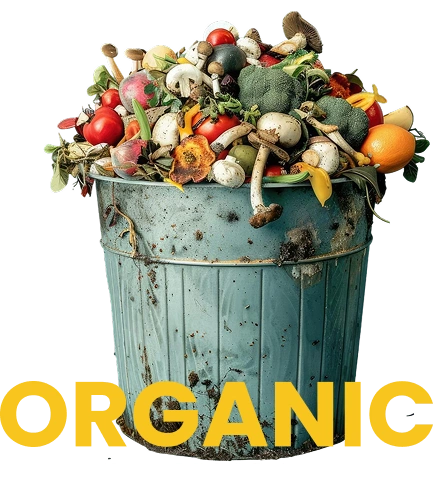
Top Benefits of BSFL Waste Converter Solutions
BSFL Organic Waste Converters are the best option for Bangalore's sustainability goals and BBMP's decentralized waste management policies.
Quick Waste Reduction: BSFL eat up to four times their body weight every day, which breaks down organic waste faster than any other method.
Odor-Free Operation: The bioconversion process doesn't make much of a smell, so it's fine for apartment buildings and businesses with a lot of people.
Dual Revenue Streams: The larvae that are harvested are high-quality protein feed for poultry and aquaculture, and the frass is organic fertilizer for urban farms and gardens.
Environmental Impact: BSFL systems lower greenhouse gas emissions, stop methane emissions from landfills, and promote the ideas of the circular economy.
Space Efficiency: Small BSFL converters are ideal for Bangalore's urban environment because they fit on rooftops, balconies, and tiny community areas.
Continue reading about 6 Insider Secrets to BSFL Waste Composting Success in Bangalore Households with this link
The 7 Powerful BSFL Organic Waste Converter Solutions Explained
Solution 1: Home-Scale BSFL Composters for Apartments
Every day, 2–5 kg of kitchen waste are handled by small BSFL bins made for individual homes. These systems are perfect for Bangalore apartments striving for zero-waste living because they are completely enclosed, pest-proof, and require no maintenance.
Solution 2: Community-Level BSFL Processing Units
Residential complexes and gated communities are adopting shared BSFL converters that process 50-150 kg daily. Serving 100–500 households, these BBMP-certified facilities lower landfill dependency and waste transportation expenses.
Solution 3: Commercial BSFL Systems for Restaurants and Hotels
Massive amounts of food waste are produced by Bangalore's hospitality sector. 200–1000 kg of waste are handled daily by industrial-scale BSFL converters, which convert waste into income through the sale of larvae and the production of compost.
Solution 4: BSFL Integration in Schools and Educational Institutions
In order to manage cafeteria waste and teach sustainability, educational campuses are implementing BSFL composters. Students gain practical understanding of the concepts of the circular economy.
Solution 5: BSFL for Agricultural Waste Processing
In order to complete the agricultural waste loop, farmers in the Bangalore area use BSFL to turn spent grains, crop residues, and agricultural byproducts into valuable animal feed and biofertilizer.
Solution 6: Mobile BSFL Waste Collection and Processing Services
Startups provide on-demand BSFL waste collection, central organic waste processing, and compost return to clients—a subscription-based circular business model that is becoming more and more popular.
Solution 7: BSFL-Powered Biogas Hybrid Systems
Advanced configurations maximize energy recovery from organic waste while simultaneously producing compost and larvae by combining BSFL bioconversion with biogas generation.
How BSFL Converters Support Bangalore's Sustainability Goals
Bangalore's 2025 sustainability roadmap emphasizes source-level waste segregation, decentralized processing, and zero-waste-to-landfill targets. BSFL Organic Waste Converters directly support these objectives by:
Enabling households and bulk generators to process waste on-site, reducing transportation emissions
Producing organic fertilizers that restore soil health in urban gardens and peri-urban farms
Creating local employment through BSFL breeding, maintenance, and product distribution
Aligning with BBMP's Solid Waste Management Rules requiring bulk generators to compost at source
The BBMP has begun certifying BSFL suppliers, ensuring quality standards and encouraging adoption across residential and commercial sectors.
Continue reading about 15 Reasons Black Soldier Fly Larvae are Bangalore's Future in Organic Waste Conversion with this link
Real-World Examples: Successful BSFL Implementation in Bangalore
Several pioneering initiatives showcase BSFL's transformative potential in Bangalore:
Swachagraha Kalika Kendra: This community-run BSFL facility in Bengaluru produces frass for urban agriculture and larvae for chicken farms by processing tons of organic waste each month. At the community level, the center serves as an example of how BSFL technology can function sustainably.
Insectifii and Local Partnerships: To expand adoption, businesses such as Insectifii have set up demonstration BSFL facilities that process one ton of waste every day. They collaborate with housing societies and dining establishments.
Startups Driving Innovation: Companies like AGSO Agrosoldier, Supr Enviro Farms, and GreenGrahi are creating BSFL solutions that are suited to Indian waste compositions and climates, lowering the cost and increasing accessibility of technology.
These success stories validate BSFL as a practical, scalable solution for Bangalore's organic waste challenges.
Choosing the Best BSFL Organic Waste Converter for Your Needs
Selecting the right BSFL converter depends on waste volume, space availability, and goals:
For Individual Households: Select small, enclosed BSFL bins with a capacity of 2–10 kg and features that make harvesting larvae simple.
For Communities: Purchase 50–200 kg modular BSFL systems with climate control and automated feeding that are appropriate for Bangalore's tropical climate.
For Commercial Establishments: Select industrial BSFL converters (200–1000 kg capacity) that have frass drying units, odor control, and monitoring built in.
Key Selection Criteria:
BBMP certification and compliance
Supplier reputation and after-sales support (AMC services)
Larvae strain suitability for local climate (27-32°C optimal)
Output quality (protein content in larvae, nutrient profile of frass)
Return on investment timeline
Reputable vendors in Bangalore that provide complete BSFL converter solutions with maintenance agreements are Solwearth, BK Enviro Solutions, and Excel Industries..
Continue reading about Top 5 Best Automatic Organic Waste Converters for Homes in HSR Layout & Indiranagar with this link..
FAQs: BSFL Converters and Bangalore Waste Management
Q1: How much does a BSFL organic waste converter cost in Bangalore?
A: Home units range from ₹15,000-₹50,000, community systems ₹1-5 lakhs, and commercial setups ₹5-20+ lakhs depending on capacity.
Q2: What types of waste can BSFL converters process?
A: Vegetable scraps, fruit peels, cooked food, grains, coffee grounds, and certain agricultural residues. Avoid plastics, metals, and excessive oils.
Q3: Do BSFL systems produce odors or attract pests?
A: Properly maintained BSFL converters are odor-free and naturally deter houseflies due to larvae secretions.
Q4: Can BSFL operate year-round in Bangalore's climate?
A: Yes, Bangalore's moderate temperatures (20-35°C) suit BSFL perfectly. Shaded outdoor or semi-indoor placement ensures optimal performance.
Q5: Where can I purchase BSFL larvae in Bangalore?
A: Certified suppliers like Insectifii, Supr Enviro Farms, and local BSFL breeders provide healthy larvae stocks and setup guidance.
Conclusion
The most promising way to decentralize sustainable waste management in Bangalore by 2025 is represented by BSFL Organic Waste Converters. Households, communities, and businesses can turn organic waste from an environmental liability into useful resources—protein feed, organic fertilizer, and lower carbon footprints—by utilizing the natural efficiency of Black Soldier Fly Larvae. BSFL technology is at the forefront of Bangalore's efforts to become a zero-waste city, providing scalable, environmentally friendly solutions that enable all residents to make significant contributions to urban sustainability.