What Are Black Soldier Fly Larvae (BSFL)?
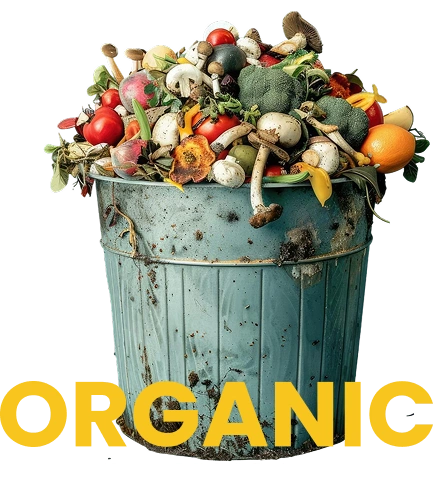
The Black Soldier Fly Larvae, scientifically known as Hermetia illucens, are gregarious decomposers that can consume vast amounts of organic waste in a remarkably short amount of time. These beneficial insects are noninvasive, disease-free, and never represent a health or harm risk, in contrast to common houseflies. BSFL thrive on food scraps, vegetable waste, and other biodegradable materials, converting them into high-value protein, organic fertilizer, and bio-oil within days rather than the weeks or months required by traditional composting.
Why Bangalore Needs Innovative Organic Waste Solutions
Bangalore's waste problem demands quick, expandable fixes. Methane emissions, overflowing landfills, and rising transportation expenses put pressure on local budgets and have a negative environmental impact. Decentralized waste processing is necessary for the BBMP standards, which is driving up demand for effective organic waste conversion technologies. The ideal solution is provided by Bangalore's black soldier fly larvae composting service, which is small, odorless, and able to process waste at the homes, businesses, or restaurants.
Continue reading about Organic Waste Converter Cost in JP Nagar: A Complete Guide in 2025 with this link
15 Powerful Reasons BSFL is Bangalore's Best Bet for Waste Conversion
1. Exceptional Processing Speed
BSFL processes organic waste 5-10 times faster than traditional composting methods. Black soldier fly larvae are perfect for Bangalore's high waste generation because they complete tasks that take months in traditional systems in this within a few days.
2. Massive Waste Volume Reduction
BSFL reduces organic waste by 80-90%, significantly reducing landfill dependency. For a city struggling with waste disposal capacity, this reduction is transformative.
3. Zero Odor Operations
BSFL waste conversion is almost odorless, in contrast to conventional composting, which emits disagreeable odors. This makes it ideal for commercial spaces, eateries, and apartments in Bangalore, where odor complaints are frequently reported.
4. High-Value Protein Production
The larvae themselves develop into valuable protein sources for the pet food, aquaculture, and poultry industries. This solves India's animal feed problem while generating new sources of income.
5. Premium Organic Fertilizer Output
BSFL frass contains rich concentrations of nitrogen, phosphorus, and potassium—essential nutrients for plant growth. Bangalore's urban farming communities and landscapers highly value this sustainable fertilizer alternative.
6. Minimal Space Requirements
BSFL systems operate in compact spaces, making them suitable for space-constrained Bangalore properties. Small-scale units fit easily in balconies, basements, or designated waste management areas.
7. Low Operational Costs
After initial setup, BSFL systems require minimal maintenance and low energy consumption. No expensive machinery, heating, or continuous monitoring is needed, reducing long-term operational expenses significantly.
8. BBMP Regulation Compliance
BSFL technology aligns perfectly with BBMP's decentralized waste processing mandates. Adopting BSFL helps residents and businesses avoid penalties while demonstrating environmental responsibility.
9. Reduced Carbon Footprint
By eliminating waste transportation and landfill methane emissions, BSFL significantly reduces Bangalore's carbon footprint. Each kilogram processed prevents approximately 1.5 kg of CO₂-equivalent emissions.
10. Job Creation and Entrepreneurship
BSFL farming creates new employment opportunities in waste collection, processing, larvae harvesting, and product distribution. Several Bangalore startups are already capitalizing on this emerging sector.
11. Disease and Pest Control
Black soldier fly larvae naturally compete with and suppress houseflies and other disease-carrying pests, improving overall hygiene in waste management areas.
12. Climate Resilience
BSFL systems function effectively across varying temperatures and humidity levels, making them resilient to Bangalore's changing climate conditions without requiring climate control infrastructure.
13. Scalability from Household to Industrial
BSFL technology scales seamlessly from small household units processing 2-5 kg daily to industrial operations handling tons of waste, offering solutions for diverse needs across Bangalore.
14. Circular Economy Integration
BSFL perfectly embodies circular economy principles—transforming waste into valuable resources that feed back into agricultural and industrial systems, closing the loop on organic waste.
15. Public Awareness and Acceptance
Growing environmental consciousness among Bangalore residents makes BSFL an increasingly accepted solution. Educational initiatives and successful pilot projects are rapidly increasing public acceptance and participation.
Continue reading about Top 5 Best Automatic Organic Waste Converters for Homes in HSR Layout & Indiranagar with this link..
Environmental Impact: BSFL vs Traditional Composting
Traditional composting takes 60 to 90 days for composting and releases a lot of methane during the anaerobic decomposition stages. The conversion of BSFL organic waste takes 10–14 days and produces very little greenhouse gas. Bangalore's water shortage issues are addressed by BSFL systems, which also use 90% less water than conventional composting. BSFL is the best option for managing urban waste because of its quicker timeline and less detrimental effects on the environment.
Economic Opportunities: BSFL Farming in Bangalore
The BSFL industry in Bangalore is expanding rapidly. Commercial BSFL farms are being established by startups and social enterprises to process municipal waste and produce organic fertilizer and protein feed. Frass sells for ₹15–25 per kilogram, while the larvae sell for ₹60–80 per kilogram for animal feed. These sources of income develop profitable, environmentally friendly business models that deal with waste management.
Getting Started: BSFL Waste Conversion for Homes & Businesses
The composting process with BSFL is simple to begin. Larvae colonies are initially housed in tiny bins in residential units, which are fed kitchen scraps every day. Businesses can collaborate with BSFL service providers who pick up waste and split the profits from the byproducts. Turnkey BSFL solutions, including setup, larvae supply, training, and continuing support, are provided by a number of Bangalore-based businesses. Household systems start at ₹5,000, while commercial installations cost more than ₹50,000.
Continue reading about BBMP-Approved Organic Waste Converter Suppliers in Bangalore with this link..
Challenges and Myths about BSFL Waste Processing
Despite its benefits, misunderstandings still exist. Since BSFL are non-invasive and contained within systems, some people are concerned about the larvae escaping or causing hygiene issues, which is unfounded. Compared to conventional composting, BSFL operations are cleaner, although some people have concerns about hygiene. The Karnataka government is supporting insect-based bioconversion projects more and more as regulatory clarity keeps getting better.
FAQs about Black Soldier Fly Larvae and Waste Management
Q: Are BSFL safe around homes?
A: Absolutely. BSFL are harmless to humans and pets, don't bite, and remain contained within systems.
Q: What waste can BSFL process?
A: Fruit peels, vegetable scraps, cooked food waste, coffee grounds, and similar organic materials work perfectly.
Q: How long does the process take?
A: Complete waste conversion occurs in 10-14 days, significantly faster than traditional composting.
Q: Can I use BSFL in apartments?
A: Yes, compact systems designed for urban apartments operate odorlessly and require minimal space.
Q: What's the maintenance requirement?
A: Minimal—just regular feeding and periodic harvesting of mature larvae and frass.
Conclusion: Bangalore's Roadmap to Sustainable Waste with BSFL
Bangalore's dedication to sustainable urban development is embodied by Black Soldier Fly Larvae, which stand for more than just waste management technology. BSFL provides scalable, financially feasible, and ecologically conscious solutions to organic waste problems as the city keeps expanding. Bangalore is positioned as a leader in innovative waste management thanks to BSFL technology, which reduces the burden on landfills and creates opportunities for the circular economy. Adopting BSFL is about creating a cleaner, greener, and more sustainable future for Silicon Valley, India, not just about managing waste.