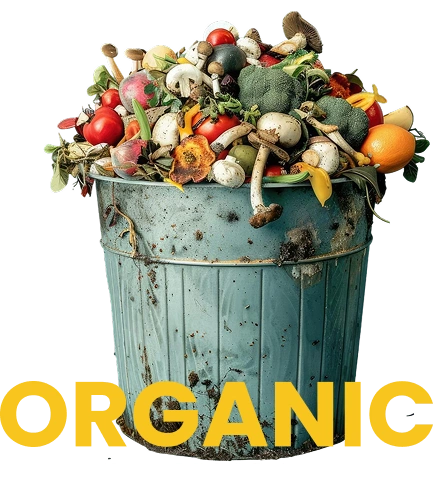
What Is an Organic Waste Converter?
An organic waste converter (OWC) is a machine or system that takes biodegradable waste—things like food scraps, vegetable peelings, garden trimmings, etc.—and processes them (usually via aerobic decomposition, microbes, aeration, heat etc.) into compost. When done properly, it is odor-controlled, faster than traditional composting, low-maintenance, and can be installed at the apartment or housing-society level.
Continue reading about Facility Audit Checklist for Gated Communities and Apartment Complexes with this link
Why Apartments Generate High Waste Costs
Here are the main cost factors for apartment waste management:
- Frequent pickup / larger waste bins because organic waste makes up a large portion of total waste.
- Tipping fees / landfill fees / transportation: The more you send to landfill, the higher the collection + transport + disposal costs.
- Segregation & labor: If wet / organic waste is mixed with dry waste, there are extra handling or sorting fees.
- Regulatory surcharges in many cities for waste that isn’t processed sustainably.
By reducing the volume of organic waste that needs disposal, you hit several of these cost drivers.
Continue reading about How Professional Interior Design Increases Your Property’s Market Value with this link
How Using an Organic Waste Converter Brings Cost Savings
Here are concrete, detailed ways an organic waste converter can reduce your apartment’s waste bill, along with real examples and practical impacts:
1. Reduced Volume of Waste for Disposal
Organic waste (kitchen scraps, fruit peels, garden trimmings) usually makes up a big chunk of what apartments send out as “wet” or mixed waste. If you install an organic waste converter, much of that waste is processed onsite — turned into compost or otherwise treated — so that less mixed waste leaves your premises. That reduction means fewer truck-loads to disposal sites, less transport cost, and lower charges for landfill tipping.
Example: A residential society in Mumbai installed an organic waste converter machine and reported a savings of about ₹50,000 per month in waste disposal fees because the amount of waste needing external collection dropped dramatically.
2. Lower Frequency of Waste Collection Needed
When your mixed waste volume goes down, waste collection can happen less often. You don’t need trucks coming in as frequently, and labour costs for pickup can drop. Over time, these savings add up because every collection has fuel, manpower, vehicle wear & tear, and logistics costs.
3. Savings via Rebates or Avoided Regulatory Fees
Many municipalities (including in Bengaluru) are implementing user fees, garbage cess, or surcharges for waste collection and disposal. Some policies give discounts or rebates if you are processing waste onsite or composting organic (wet) waste. By using an organic waste converter, your apartment society can qualify for these rebates or avoid paying higher fees.
Local Context: In Bengaluru, the BBMP has introduced a user fee system where residential properties pay a solid waste user fee based on built-up area (for example, smaller houses pay ₹10/month, larger ones pay more) for waste collection/disposal. India Today+2Hindustan Times+2 Bulk waste generators who do not do in-situ waste processing may have to pay charges per kilogram of waste, while those that compost or treat organic waste onsite might get rebates.
4. Reduced Costs for Odor, Pest Control, and Cleaning
Organic waste left mixed with general waste tends to rot, smell, and attract pests (flies, rodents). That can lead to extra costs for cleaning, pest control, replacing spoiled waste bins, more frequent washing of bins, etc. An organic converter that handles wet waste properly (with good design, airflow, etc.) reduces these “hidden” or recurring costs.
5. Potential for Compost Use or Revenue
The compost or mulch produced by the converter can be useful in many ways: for landscaping common areas in your apartment complex (gardens, plants, lawns), for rooftop gardening, or even for sale to nurseries or local gardeners. This means the converter isn’t just reducing costs; it can produce something of value. That offsets operational costs, and in some cases generates small income.
Example: In the Mumbai society case, the compost produced was used in the society’s gardens, and surplus compost was sold to nearby nurseries, bringing in additional income.
6. Long-Term Return on Investment (ROI)
While there’s an initial cost for purchasing and installing an organic waste converter (machine cost, installation, maybe permitting), over time the savings from disposal fees, transport, labour, odour/pest control, and possibly compost revenue will start to offset that cost. After the payback period, almost all savings are “net gain.”
Because many of the cost components (waste transport, tipping fees, etc.) continue every month, the converter helps chip away at those recurring expenses.
Putting It in Context: Bengaluru Waste Fees & Impact
To make this more concrete for your location, here are some recent details from Bengaluru:
- From April 1, 2025, the BBMP started charging residential buildings a user fee for waste management based on the built-up area. For example, properties up to 600 sq ft pay around ₹10/month; bigger properties pay more.
- Bulk waste generators who do not engage in in-situ composting or processing of wet waste may have to pay an extra charge (e.g. ₹12 per kilogram) for waste collection & processing.
- Property owners who implement in-situ processing (e.g. composting) could be eligible for rebates under the new rules. This means using an organic waste converter could directly reduce what you pay in user fees or charges.
Continue reading about BBMP Waste Management Rules 2025: How an OWC Helps You Stay Compliant with this link
What to Consider Before You Install One
To maximize organic waste converter cost savings, you’ll want to make sure you get the right setup:
- Capacity: Choose a converter sized for your daily organic waste generation. Too small = overflow; too large = unnecessary expense.
- Operational cost: Consider electricity, maintenance, and staff training. Low operational cost will give you better savings.
- Location & odor control: If it’s poorly ventilated or placed in an enclosed area, odors or pests could offset benefits. Quality units minimize smell with design & airflow.
- Compliance with regulations: Make sure you meet local waste management rules, which may give incentives (or impose penalties) related to organic waste.
Resident engagement / behavior: Proper segregation of wet vs dry waste is essential; otherwise, mixed waste will reduce efficiency and raise costs.
Continue reading about Society Treasurer: Role and Responsibilities with this link
Estimated Savings: Sample Scenarios
Here are rough estimates (these will depend hugely on local costs) to give you an idea of how savings may stack up in an apartment complex.
- Suppose monthly waste bill (for organic + mixed waste) is ₹20,000. If organic waste converter helps reduce organic waste disposal by 50%, the bill might drop by ₹8,000-₹10,000 (taking into account lower transportation + tipping fees).
- If the initial investment in the converter is ₹200,000, and monthly savings are ₹10,000, the payback period is around 20 months (~1 year 8 months). After that, savings contribute directly.
These numbers will vary based on your city’s landfill fees, transportation cost, power tariff, and how much organic waste you generate.
Continue reading about Top Interior Design Trends for Bangalore Homes in 2025 with this link
Conclusion
Using an organic waste converter in an apartment complex is much more than a “green” idea—it can lead to real cost savings in monthly waste bills. The key is choosing the right capacity, ensuring good operation, and making sure residents participate in segregating waste properly. Over time, the savings from reduced disposal, hauling, regulatory fees, maintenance and maybe even compost revenue add up significantly.
If you're considering installing one—or getting your apartment association on board—these savings make the investment very compelling. With time, it becomes not just an environmental win, but a financial one.