What Are Sustainable Waste Management Solutions?
Sustainable waste management solutions refer to environmentally responsible methods of handling waste throughout its lifecycle—from generation and collection to processing, recycling, and disposal.
The primary goals are to:
- Reduce waste generation
- Maximize recycling and resource recovery
- Minimize landfill usage
- Lower greenhouse gas emissions
- Promote environmental sustainability
- Support circular economy principles
By adopting sustainable waste management practices, cities can transform waste from a burden into a valuable resource.
Why Sustainable Waste Management Matters
1. Protects the Environment
Improper waste disposal contaminates soil, water bodies, and air. Sustainable waste management reduces pollution and preserves natural ecosystems.
2. Reduces Greenhouse Gas Emissions
Landfills generate methane, a potent greenhouse gas. Recycling and waste-to-energy technologies help reduce emissions and combat climate change.
3. Conserves Natural Resources
Recycling materials such as paper, plastic, glass, and metals reduces the need for extracting new raw materials.
4. Improves Public Health
Efficient waste collection and disposal minimize disease outbreaks, pest infestations, and environmental hazards.
5. Supports Economic Growth
The recycling and waste management industry creates jobs while generating revenue through recovered resources.
Major Components of Sustainable Waste Management
Waste Reduction at Source
The most effective way to manage waste is to prevent its generation.
Strategies include:
- Reducing single-use plastics
- Encouraging reusable products
- Promoting digital documentation
- Sustainable packaging practices
- Responsible consumption habits
Source reduction significantly decreases the volume of waste requiring treatment.
Recycling and Resource Recovery
Recycling converts waste materials into new products, reducing landfill dependency and conserving resources.
Common recyclable materials include:
- Paper and cardboard
- Plastic
- Glass
- Aluminum
- Electronic waste
Advanced recycling facilities improve efficiency and maximize resource recovery.
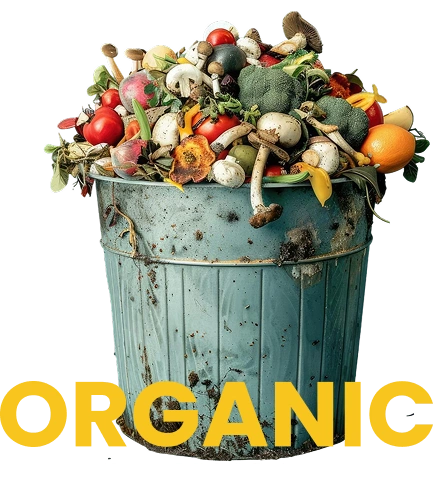
Composting Organic Waste
Food waste and organic materials can be transformed into nutrient-rich compost.
Benefits include:
- Reduced landfill waste
- Lower methane emissions
- Improved soil quality
- Support for urban agriculture
Cities increasingly promote household and community composting programs.
Waste-to-Energy Technologies
Modern waste-to-energy systems convert non-recyclable waste into electricity and heat.
Advantages:
- Reduces landfill burden
- Generates renewable energy
- Decreases fossil fuel dependence
These technologies play an important role in sustainable urban waste management strategies.
Building Cleaner Cities Through Sustainable Waste Practices
Segregation at Source
Waste segregation remains one of the most effective waste management practices.
Common categories include:
- Organic waste
- Recyclable waste
- Hazardous waste
- E-waste
Proper segregation improves recycling efficiency and reduces disposal costs.
Community Participation
Citizens play a critical role in successful waste management programs.
Cities can encourage participation through:
- Awareness campaigns
- Educational programs
- Recycling incentives
- Community clean-up drives
Corporate Responsibility
Businesses can contribute by:
- Reducing packaging waste
- Implementing recycling programs
- Adopting sustainable procurement practices
- Supporting circular economy initiatives
Circular Economy and Waste Management
The traditional "take, make, dispose" model is being replaced by the circular economy approach.
A circular economy focuses on:
- Reusing materials
- Recycling resources
- Extending product life cycles
- Minimizing waste generation
Benefits include:
- Resource conservation
- Reduced environmental impact
- Economic efficiency
- Sustainable growth
Waste management serves as a foundation for successful circular economy implementation.
Future Trends in Waste Management
Smart City Integration
Waste management systems will become increasingly integrated into smart city platforms.
AI-Based Waste Sorting
Advanced machine learning systems will improve recycling accuracy and efficiency.
Digital Waste Tracking
Real-time monitoring and reporting will enhance transparency and operational control.
Sustainable Packaging
Businesses will adopt eco-friendly packaging solutions to reduce waste generation.
Zero-Waste Initiatives
More cities will pursue ambitious zero-waste goals to minimize landfill dependency.
Conclusion
World Environment Day 2026 serves as a reminder that sustainable waste management is essential for creating cleaner, healthier, and greener cities. By embracing smart technologies, recycling initiatives, waste reduction strategies, and circular economy principles, communities and organizations can significantly reduce environmental impact while enhancing urban sustainability.
The future of waste management lies in innovation, collaboration, and responsible resource utilization. Through collective efforts, cities can transform waste challenges into opportunities for environmental protection, economic growth, and sustainable development.