What Is Waste Management?
Waste management refers to the collection, transportation, processing, recycling, treatment, and disposal of waste materials generated by human activities. The primary objective is to minimize the negative impact of waste on the environment and public health while maximizing resource recovery through recycling and reuse.
A modern waste management system includes multiple stages:
- Waste generation
- Waste segregation
- Garbage collection
- Transportation
- Recycling and recovery
- Treatment and processing
- Final disposal
Effective waste management ensures that waste is handled responsibly and sustainably rather than ending up in uncontrolled garbage dumps.
Why Is Waste Management So Important?
1. Protects Public Health
Improper waste disposal can attract pests, rodents, and disease-causing organisms. Open dumping of waste often leads to contamination of air, soil, and water, increasing the risk of diseases.
A proper waste management system reduces these health risks by ensuring safe collection, treatment, and disposal of waste materials.
2. Reduces Environmental Pollution
Unmanaged solid waste contributes significantly to environmental pollution. Plastic waste, industrial waste, and hazardous waste can contaminate ecosystems and harm wildlife.
Proper waste disposal and recycling help prevent pollution and protect natural habitats.
3. Conserves Natural Resources
Many waste materials can be reused or recycled. Waste recycling helps recover valuable resources such as:
- Paper
- Plastic
- Glass
- Metals
- Organic materials
By recycling these materials, we reduce the need for extracting new raw materials and conserve natural resources.
4. Supports the Circular Economy
The circular economy focuses on keeping resources in use for as long as possible through recycling, reuse, and recovery.
Waste management plays a central role in creating a circular economy by reducing landfill dependency and promoting resource efficiency.
5. Reduces Greenhouse Gas Emissions
Organic waste in landfills produces methane, a powerful greenhouse gas. Proper food waste management and waste-to-energy solutions can significantly reduce emissions and support climate change mitigation efforts.
Types of Waste Managed in Modern Systems
Solid Waste
Solid waste includes everyday items discarded by homes, offices, schools, and commercial establishments.
Examples:
- Paper
- Packaging materials
- Plastic products
- Glass
- Metal cans
Solid waste management focuses on collection, segregation, recycling, and disposal.
Plastic Waste
Plastic waste management has become a global priority due to the increasing amount of plastic entering oceans and landfills.
Effective plastic recycling programs help reduce environmental damage while recovering valuable materials for reuse.
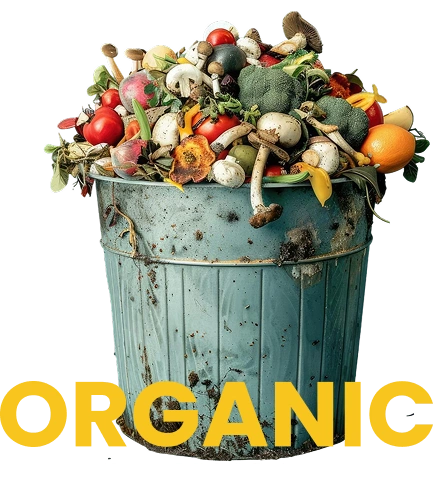
Food Waste
Food waste accounts for a significant portion of municipal solid waste.
Common sources include:
- Households
- Restaurants
- Hotels
- Food processing industries
Composting and anaerobic digestion are effective methods for managing food waste sustainably.
Hazardous Waste
Hazardous waste contains substances that can pose risks to human health and the environment.
Examples include:
- Chemicals
- Batteries
- Medical waste
- Paints
- Solvents
Hazardous waste management requires specialized handling, transportation, and disposal procedures.
Industrial Waste
Industrial waste is generated by manufacturing plants, factories, and industrial facilities.
Industrial waste disposal must comply with environmental regulations to prevent contamination and pollution.
Key Components of a Waste Management System
Waste Segregation
Waste segregation is the foundation of effective waste management.
Common categories include:
- Wet waste
- Dry waste
- Recyclable waste
- Hazardous waste
Proper segregation improves recycling efficiency and reduces landfill waste.
Garbage Collection
Garbage collection services ensure waste is regularly removed from residential, commercial, and industrial locations.
Efficient collection systems help maintain hygiene and cleanliness.
Recycling and Recovery
Waste management recycling programs convert waste materials into reusable resources.
Common recyclable materials include:
- Plastic
- Glass
- Metal
- Paper
The importance of recycling lies in reducing waste, conserving resources, and lowering environmental impact.
Treatment and Processing
Treatment technologies include:
- Composting
- Incineration
- Waste-to-energy conversion
- Anaerobic digestion
These processes reduce waste volume and recover useful resources.
Final Disposal
Waste that cannot be recycled or recovered is sent to engineered landfills designed to minimize environmental risks.
Understanding the 3Rs: Reduce, Reuse, Recycle
Reduce
Reducing waste generation is the most effective strategy.
Examples:
- Avoiding single-use plastics
- Choosing durable products
- Minimizing packaging waste
Reuse
Reusing products extends their lifespan and reduces resource consumption.
Examples:
- Refillable containers
- Reusable bags
- Refurbished equipment
Recycle
Recycling transforms waste materials into new products.
Benefits include:
- Reduced landfill use
- Lower resource extraction
- Energy conservation
The concept of Reduce, Reuse, Recycle forms the foundation of sustainable waste management practices.
Waste-to-Energy: Turning Waste Into Power
Waste-to-energy technologies convert non-recyclable waste into electricity, heat, or fuel.
Benefits include:
- Reduced landfill dependence
- Energy generation
- Lower greenhouse gas emissions
Many cities worldwide use waste-to-energy facilities as part of integrated waste management projects.
Benefits of Effective Waste Management
Environmental Benefits
- Reduced pollution
- Lower landfill usage
- Improved air and water quality
- Protection of biodiversity
Economic Benefits
- Job creation in recycling industries
- Resource recovery
- Reduced waste disposal costs
- Increased operational efficiency
Social Benefits
- Cleaner communities
- Better public health
- Improved quality of life
- Greater environmental awareness
Common Challenges in Waste Management
Despite technological advancements, several challenges remain:
Increasing Waste Generation
Rapid urbanization and population growth continue to increase waste volumes.
Plastic Pollution
Plastic waste remains one of the biggest environmental challenges globally.
Lack of Public Awareness
Many individuals still do not practice proper waste segregation and recycling.
Limited Infrastructure
Developing regions often face shortages of recycling facilities and waste treatment plants.
Hazardous Waste Handling
Managing hazardous waste safely requires specialized equipment and expertise.
Conclusion
Waste management is far more than simply collecting and disposing of garbage. It is a critical process that protects public health, conserves resources, reduces pollution, and supports sustainable development. Through proper solid waste management, plastic waste management, recycling initiatives, and waste-to-energy solutions, communities can significantly reduce their environmental footprint.
By adopting the principles of reduce, reuse, and recycle, investing in advanced waste management systems, and promoting public awareness, societies can create cleaner, healthier, and more sustainable environments for future generations. Effective waste management is not just an environmental responsibility—it is an essential investment in our collective future.