Why the Future of Waste Management Matters
The world generates over 2 billion tons of municipal solid waste every year, and this number is expected to rise significantly by 2030. Without effective waste disposal methods, landfills overflow, pollution increases, and valuable recyclable materials are lost.
Modern waste management industries are now focusing on:
- Reducing waste generation
- Improving waste recycling rates
- Supporting circular economy models
- Enhancing food waste management
- Strengthening plastic waste management
- Encouraging responsible waste disposal
The future depends on building systems that prioritize waste reduction instead of simply managing waste after it is created.
1. Smart Waste Management Systems Powered by IoT
One of the biggest innovations in waste management is the use of IoT (Internet of Things) technology. Smart sensors installed in waste bins help monitor fill levels in real time, enabling better collection planning.
Benefits of Smart Waste Management Systems
- Reduced fuel costs for waste collection vehicles
- Improved garbage disposal efficiency
- Less overflowing waste bins
- Better route optimization
- Lower carbon emissions
Waste management companies are increasingly adopting these systems to improve urban waste disposal and reduce operational costs.
A smart waste management system creates a cleaner and more efficient environment for cities and residential communities.
2. AI and Automation in Waste Sorting
Manual sorting of recyclable materials is time-consuming and often inaccurate. Artificial Intelligence (AI) is transforming waste recycling by automating sorting processes.
AI-powered systems can identify:
- Plastic waste
- Metal scrap
- Paper products
- Glass waste
- Organic food waste
Automation improves recycling accuracy and helps waste companies recover more valuable materials from mixed waste streams.
This trend is especially important for plastic waste management, where proper segregation directly impacts recycling success.
3. Circular Economy Replacing Traditional Waste Disposal
Traditional waste disposal follows a “take, use, dispose” model. The circular economy replaces this with a system where materials are reused, repaired, and recycled.
Circular Economy Principles
- Reduce resource consumption
- Reuse existing materials
- Recycle products into new resources
- Extend product life cycles
This shift reduces landfill dependency and supports sustainable waste management industries.
Many waste management service providers are now helping businesses transition from waste disposal to resource recovery models.
4. Food Waste Management Becoming a Global Priority
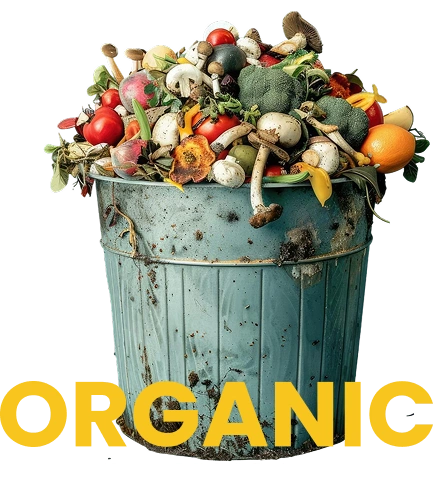
Food waste is one of the largest contributors to landfill emissions. By 2030, food waste management will become one of the most important sustainability goals for businesses, restaurants, and housing societies.
Modern Food Waste Management Solutions
- Composting systems
- Biogas generation
- Organic waste converters
- Food donation programs
- Smart kitchen inventory tracking
Reducing food waste not only supports sustainability but also lowers disposal costs and methane emissions.
Proper food waste recycling turns waste into valuable energy and compost resources.
5. Extended Producer Responsibility (EPR) Expansion
Extended Producer Responsibility (EPR) is changing how companies handle product waste. Under EPR policies, manufacturers are responsible for managing post-consumer waste generated by their products.
This is especially relevant in:
- Electronics
- Plastic packaging
- Consumer goods
- Batteries
- E-commerce packaging
EPR encourages businesses to design products using recyclable materials and invest in better waste recycling systems.
It also pushes waste management companies to create stronger reverse logistics networks.
6. Advanced Plastic Waste Management Solutions
Plastic waste management remains one of the biggest environmental challenges worldwide. Single-use plastics and poor recycling infrastructure create long-term pollution problems.
Future Plastic Waste Management Trends
- Chemical recycling
- Plastic-to-fuel technology
- Deposit return systems
- Biodegradable packaging alternatives
- Improved plastic segregation systems
These innovations help reduce landfill waste and improve resource recovery.
Businesses adopting responsible plastic waste management strategies will play a major role in achieving sustainability goals by 2030.
7. Waste-to-Energy (WTE) Technologies
Waste-to-Energy systems convert non-recyclable waste into usable electricity, heat, or fuel. This approach supports solid waste management while reducing landfill pressure.
Common WTE Methods
- Incineration with energy recovery
- Anaerobic digestion
- Gasification
- Pyrolysis
WTE technology is becoming a major part of waste management systems in urban areas where landfill space is limited.
It also creates economic value from waste that would otherwise be discarded.
8. Data-Driven Waste Management Service Models
Data analytics is helping waste companies improve operations and sustainability reporting. Businesses now want measurable waste reduction outcomes, not just waste collection services.
Using data, waste management service providers can track:
- Waste generation patterns
- Recycling rates
- Collection efficiency
- Carbon footprint reduction
- Compliance with sustainability goals
This transparency improves accountability and helps organizations make better environmental decisions.
9. Sustainable Construction Waste Management
Construction and demolition activities generate huge volumes of waste. By 2030, construction waste management will become more regulated and technology-driven.
Key Focus Areas
- Reuse of construction materials
- On-site waste segregation
- Recycling of concrete and metal
- Sustainable demolition planning
This improves resource efficiency and supports the circular economy across infrastructure projects.
10. Stronger Regulations and Green Compliance
Governments worldwide are introducing stricter waste disposal regulations to reduce pollution and improve sustainability.
Businesses must now comply with:
- Plastic waste management rules
- Solid waste management regulations
- EPR compliance requirements
- Recycling mandates
- ESG and sustainability reporting
Companies that proactively adapt to these regulations gain long-term operational and brand advantages.
Waste management is becoming a compliance priority—not just an operational necessity.
How Waste Management Companies Are Leading the Change
Waste management companies are no longer just service providers. They are becoming sustainability partners for businesses, industries, and residential communities.
They help with:
- Waste audits
- Recycling strategy development
- Smart waste collection systems
- Food waste management solutions
- Plastic waste management planning
- Circular economy implementation
Choosing the right waste management service provider ensures better efficiency, compliance, and environmental performance.
Conclusion
The future of waste management by 2030 will be defined by innovation, accountability, and sustainability. Smart waste management systems, AI-driven recycling, circular economy practices, food waste management, and advanced plastic waste management solutions are changing how the world handles waste.
The goal is no longer just waste disposal—it is waste reduction, resource recovery, and environmental responsibility.
Businesses, governments, and communities that embrace these trends early will be better prepared for a sustainable future.
Waste management is not just about handling garbage—it is about building a cleaner, smarter, and greener world for generations to come.