Why Reducing Waste at Home Matters
Waste generation has become a growing environmental challenge worldwide. Excessive waste contributes to:
- Landfill overflow
- Air and water pollution
- Greenhouse gas emissions
- Resource depletion
- Harm to wildlife and ecosystems
Reducing household waste helps conserve natural resources and supports a circular economy where materials are reused and recycled instead of discarded.
Simple lifestyle changes can significantly reduce the amount of waste sent to landfills each year.
1. Start with Waste Segregation
One of the first steps toward effective household waste management is proper waste segregation.
Separate waste into categories such as:
- Organic waste
- Plastic waste
- Paper waste
- Glass waste
- Electronic waste
Proper segregation improves recycling efficiency and ensures biodegradable materials are processed correctly.
Benefits of Waste Segregation
- Easier recycling process
- Reduced landfill waste
- Better composting opportunities
- Improved environmental hygiene
Using separate bins for wet and dry waste is a simple but impactful habit.
2. Reduce Single-Use Plastics
Plastic waste is one of the biggest environmental concerns today. Single-use plastic items like bags, bottles, straws, and packaging create long-term pollution.
Easy Ways to Reduce Plastic Waste
- Carry reusable shopping bags
- Use stainless steel or glass bottles
- Avoid disposable cutlery
- Choose refillable containers
- Buy products with minimal packaging
Reducing plastic usage is a key strategy to reduce waste at home effectively.
3. Compost Kitchen Waste
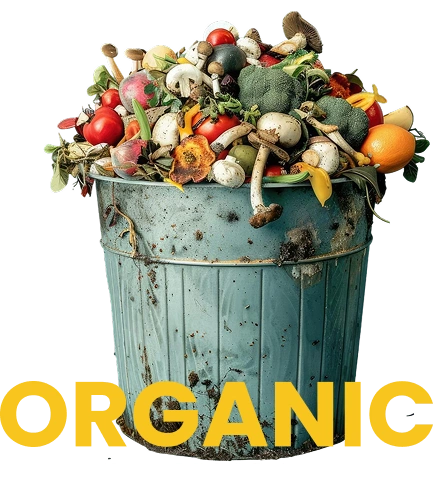
Food scraps and organic waste make up a major portion of household garbage. Composting transforms biodegradable waste into nutrient-rich fertilizer for plants and gardens.
Items You Can Compost
- Vegetable peels
- Fruit waste
- Tea leaves
- Coffee grounds
- Dry leaves
Benefits of Composting
- Reduces landfill waste
- Produces natural fertilizer
- Minimizes methane emissions
- Supports sustainable gardening
Home composting is an eco-friendly and cost-effective waste management solution.
4. Avoid Food Waste
Food waste is a major issue in many households. Planning meals and storing food properly can significantly reduce waste generation.
Tips to Reduce Food Waste
- Plan weekly meals
- Store leftovers correctly
- Buy only what you need
- Use older ingredients first
- Freeze excess food
Reducing food waste not only protects the environment but also saves money.
5. Choose Reusable Products
Replacing disposable products with reusable alternatives is one of the easiest sustainable living practices.
Reusable Alternatives
Disposable Item
Reusable Alternative
Plastic bottles
Steel bottles
Paper towels
Cloth towels
Plastic containers
Glass containers
Disposable bags
Cotton bags
Plastic straws
Metal straws
Small switches in daily life create long-term environmental benefits.
6. Recycle Responsibly
Recycling helps reduce the demand for raw materials and lowers environmental pollution.
Common Recyclable Materials
- Paper
- Cardboard
- Plastic containers
- Metal cans
- Glass bottles
Before recycling:
- Clean containers properly
- Remove food residue
- Follow local recycling guidelines
Responsible recycling improves waste recovery efficiency.
7. Buy Smart and Consume Less
Mindful consumption is an essential part of sustainable waste management.
Smart Shopping Habits
- Buy durable products
- Avoid impulse purchases
- Choose eco-friendly brands
- Purchase in bulk when possible
- Repair instead of replacing items
Minimal consumption reduces overall household waste generation.
8. Reuse and Repurpose Household Items
Many household items can be reused creatively instead of thrown away.
Ideas for Reusing Items
- Glass jars for storage
- Old clothes as cleaning cloths
- Cardboard boxes for organizing
- Plastic containers for gardening
Repurposing items extends product life and minimizes waste.
9. Switch to Digital Solutions
Paper waste can be reduced by adopting digital alternatives.
Ways to Reduce Paper Waste
- Use digital bills and invoices
- Read eBooks instead of printed copies
- Store documents online
- Avoid unnecessary printing
Digital transformation helps households become more sustainable and organized.
10. Educate Family Members About Sustainable Living
Waste reduction becomes more effective when the entire family participates.
Encourage:
- Children to recycle properly
- Family members to conserve resources
- Sustainable habits in daily routines
Building environmental awareness creates long-term positive change.
How Smart Waste Management Supports Sustainability
Modern smart waste management systems are improving the way waste is handled globally. Technologies such as:
- Smart bins
- Waste tracking systems
- Recycling automation
- IoT-enabled waste monitoring
are helping communities reduce waste efficiently.
Households that adopt sustainable waste practices contribute directly to cleaner cities and smarter environmental management.
Benefits of Reducing Waste at Home
Environmental Benefits
- Less pollution
- Reduced landfill usage
- Conservation of resources
- Lower carbon emissions
Financial Benefits
- Reduced household expenses
- Lower utility costs
- Savings through reuse and recycling
Health Benefits
- Cleaner surroundings
- Better hygiene
- Reduced exposure to harmful waste
Conclusion
Reducing waste does not require drastic lifestyle changes. Small habits practiced consistently can create a significant positive impact on the environment. From composting kitchen waste and recycling properly to reducing plastic use and adopting reusable products, every effort contributes toward a cleaner and more sustainable future.
By learning how to reduce waste at home, households can improve environmental sustainability, save money, and support smarter waste management systems. Simple actions today can lead to a healthier planet for future generations.