Understanding Composting Machines
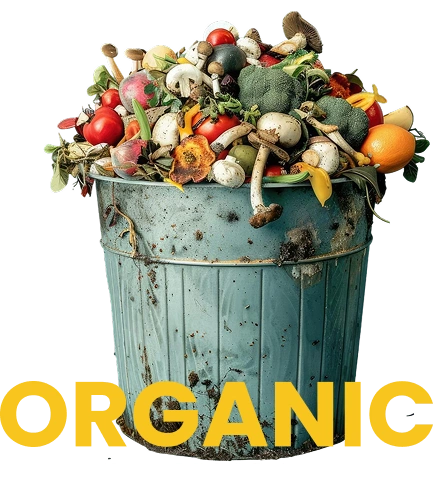
A composting machine is a device designed to accelerate the natural process of decomposing organic waste. Instead of sending food scraps to landfills, these machines convert waste into natural compost that can be used to enrich soil.
Different types of composting equipment are available depending on the scale of use. For example:
- A food waste composting machine is ideal for restaurants and households.
- An organic waste composting machine is suitable for apartments and communities.
- An industrial composting machine can handle large amounts of waste from hotels, campuses, and factories.
These machines act as efficient waste recycling machines, supporting modern biowaste management systems.
Continue reading about Facility Management Services: Why It’s No Longer Just About Complaints but Workplace Experience. with this link
Environmental Benefits of Composting Machines
Reducing Food Waste in Landfills
One of the most important Benefits of Using Composting Machines for Organic Waste is the reduction of landfill waste. Food scraps that decompose in landfills produce methane, a powerful greenhouse gas.
Using an organic compost machine or eco composter helps convert waste into useful compost instead of sending it to landfills. This significantly reduces the food waste environmental impact.
Supporting Sustainable Waste Management
Modern waste management strategies focus on sustainability and responsible resource use. Composting machines help cities and businesses adopt food waste solutions that are environmentally friendly.
By integrating digital waste management and advanced composting equipment, organizations can track and process waste efficiently while reducing environmental damage.
Creating Nutrient-Rich Compost Soil
A compost maker machine transforms organic waste into compost soil filled with nutrients essential for plant growth.
This plant compost can be used in:
- Gardens
- Agriculture
- Landscaping projects
High-quality compost for garden improves soil fertility and reduces the need for chemical fertilizers.
Continue reading about Why Top Apartments in Bangalore Trust Professional Swimming Pool Maintenance Agencies with this link
Promoting a Circular Economy
Composting machines play a key role in the circular economy by turning waste into valuable resources.
In a circular economy in waste management, materials are reused rather than discarded. Organic waste is converted into compost and returned to the soil, creating a sustainable cycle.
This approach reduces waste, conserves resources, and promotes environmental sustainability.
Improving Community Waste Management
Urban areas generate large volumes of food waste daily. Implementing community compost initiatives with organic waste composters helps local neighborhoods manage waste effectively.
Apartment complexes, schools, and institutions can install an earth machine composter or automatic composter to process waste locally. This reduces transportation costs and supports better biowaste management.
Advanced Composting Technology
Modern composting machines are equipped with advanced features that make composting faster and more efficient.
These include:
- Automated mixing and heating systems
- Microbial support using compost accelerators
- Odor control technology
- Digital monitoring for digital waste management
An eco composter or organic waste composter can process waste within hours or days, making it a powerful food waste solution for businesses and communities.
Continue reading about Office Space for Lease in Bangalore: Important Things to Consider with this link
Industrial Applications of Composting Machines
Large institutions often produce significant amounts of food waste. Installing an industrial composting machine allows them to process waste on-site.
Industries that benefit from these machines include:
- Hotels and restaurants
- Corporate offices
- Universities and schools
- Residential communities
These facilities can convert waste into natural compost, reducing disposal costs and contributing to sustainable environmental waste management.
Packaging and Use of Compost
After processing, the compost can be stored or sold through compost packaging systems. Packaged compost can be used by farmers, gardeners, and landscaping companies.
This process creates economic value while promoting eco-friendly practices and supporting sustainable agriculture.
The Future of Organic Waste Composting
As environmental awareness grows, more cities and businesses are investing in organic compost machines and food waste composting machines.
The combination of waste recycling machines, advanced composting equipment, and smart digital waste management systems will shape the future of sustainable waste processing.
Adopting composting technology not only reduces pollution but also contributes to long-term environmental protection.
Conclusion
Understanding the Benefits of Using Composting Machines for Organic Waste highlights their importance in modern waste management. These machines transform food waste into valuable compost while reducing landfill waste and lowering environmental pollution.
From small eco composters to large industrial composting machines, composting technology offers an effective solution for managing organic waste. By supporting circular economy in waste management and sustainable practices, composting machines help create a cleaner, greener future for communities and businesses alike.
Continue reading about How to Choose Right Housekeeping Agency in Bangalore for Professional Cleaning with this link